
Missionary Life
What Are International Churches?
July 23, 2026
by Claire Ulrich
Where can you reach over 20 cultures with the Gospel at once? International Churches. Read about the benefits, challenges, and opportunities at international churches around the globe.
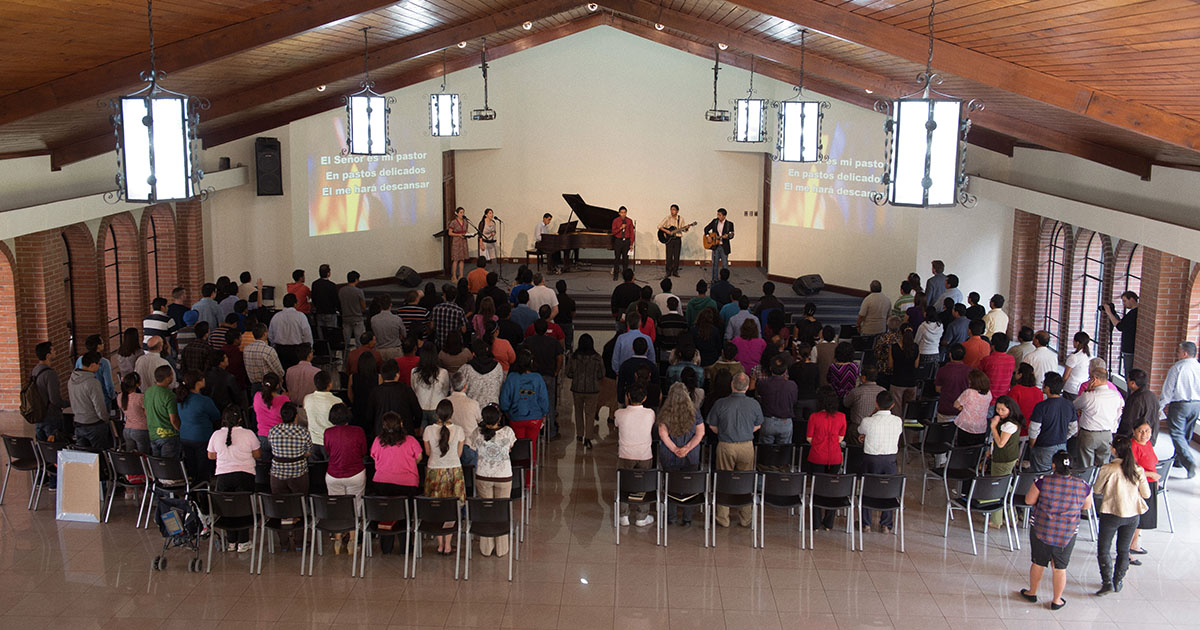
The sweet sound of beloved Christmas carols echoed against the walls. The Scripture was read aloud in English and then repeated by speakers in 12 different mother tongues. The room resonated with the beautiful chaos of believers from dozens of different passport countries all celebrating the birth of the Savior of the whole world.
This is the reality of one international church that is served by TEAM personnel.
What are international churches?
International Churches are often English-speaking, multicultural congregations in major global cities. They may openly operate in countries where traditional missionary activity faces restrictions. They serve diplomats, international school communities, migrant workers, business professionals, development and disaster relief personnel, missionaries, and globally mobile families from all over the world.
How are these churches different?
That diversity is beautiful, but it also comes with challenges. Differences in culture, communication, expectations, denominational backgrounds, and church traditions can create misunderstandings and tension. Turnover is constant as families relocate every few years. Yet those same realities also shape people spiritually. As churches receive families into their community, they also recognize that many will eventually move on, carrying with them a desire for sound Biblical teaching and rich Christian fellowship.
One TEAM global worker serving with an International Church, Charles*, shares this: “One of the features of international churches in general and true also of ours is that we have a high degree of turnover as so many of our members are only living [here] for a few years. Remarkably, 80% of our church is different than when we moved [here] three and a half years ago! Half of the church is new within the last two years. And 25% within the last six months!”
What challenges do international churches face?
Charles continues, “As you can imagine, this brings challenges in forming deep community, challenges in making long term disciples, challenges in raising up leaders, and challenges with seeing stable finances. Many liken international churches to a revolving door, just people passing through. But in desiring to see this from a kingdom perspective, we choose to use the Biblical imagery of a parade rather than a revolving door to depict what we want our church to be amidst the constant turnover.”
What are the benefits of international churches?
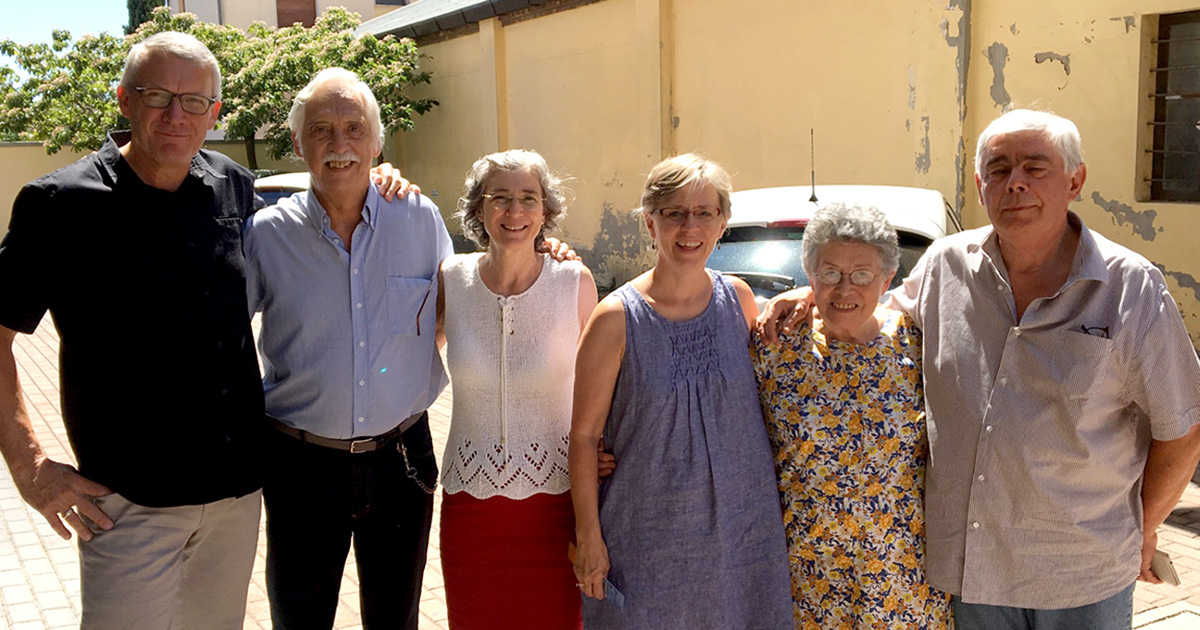
Despite the challenges, International Churches often become places where believers learn unity across cultures and traditions. Steve and Sue Liston are planting an International Church in Madrid and Steve says, “Our community now includes people from Brazil, Canada, China, Colombia, Guatemala, Korea, Mexico, Romania, South Africa, Spain, Venezuela, and the United States. Chinese nationals usually outnumber the four Americans on Sunday mornings!”
For missionaries, marketplace workers, NGO staff, teachers, and Christian professionals living abroad, an International Church may become the first place of community, encouragement, accountability, and care. Diaspora communities who reside in a country other than their passport country often find the Good News and community through an International Church.
International Churches often become places where believers learn unity across cultures and traditions.
Steve Liston remarks, “One of the blessings of our church plant is that we are creating a community of people as well as a church; as Christ calls His bride, we become a community that can support one another, have fun together, and be family away from home.” He adds, “From our Bible study with five families begun almost two years ago, we are now 25-30 participants each Sunday, with over 25 families and individuals who participate in some aspect of our community life.”
International Churches also actively engage with their local communities. Some support mercy ministries, discipleship, training, and church planting among host-country populations. Steve and Sue, as well as Charles, have shared ways that they have gotten immersed in the local culture, building relationships and meeting needs with those that they have met.
What are the opportunities for missionaries?
The unique ministry space created by International Churches also opens up opportunities for experienced pastors, educators, counselors, retirees, and former overseas workers who still have significant ministry gifts to offer. International Churches need shepherds, teachers, small group facilitators, worship leaders, youth workers, administrators, and others willing to use their gifts and experiences to strengthen multicultural and multinational churches throughout the world.
TEAM’s commitment to furthering International Church ministries is a commitment to meet the realities of a changing world with the timeless message of the Good News.
Subscribe to our email list to receive more global missions stories and resources and follow us on Facebook, Instagram, and LinkedIn.