

Stories
The World Is Not Animated. It’s Addressed.
September 24, 2026
by Guest
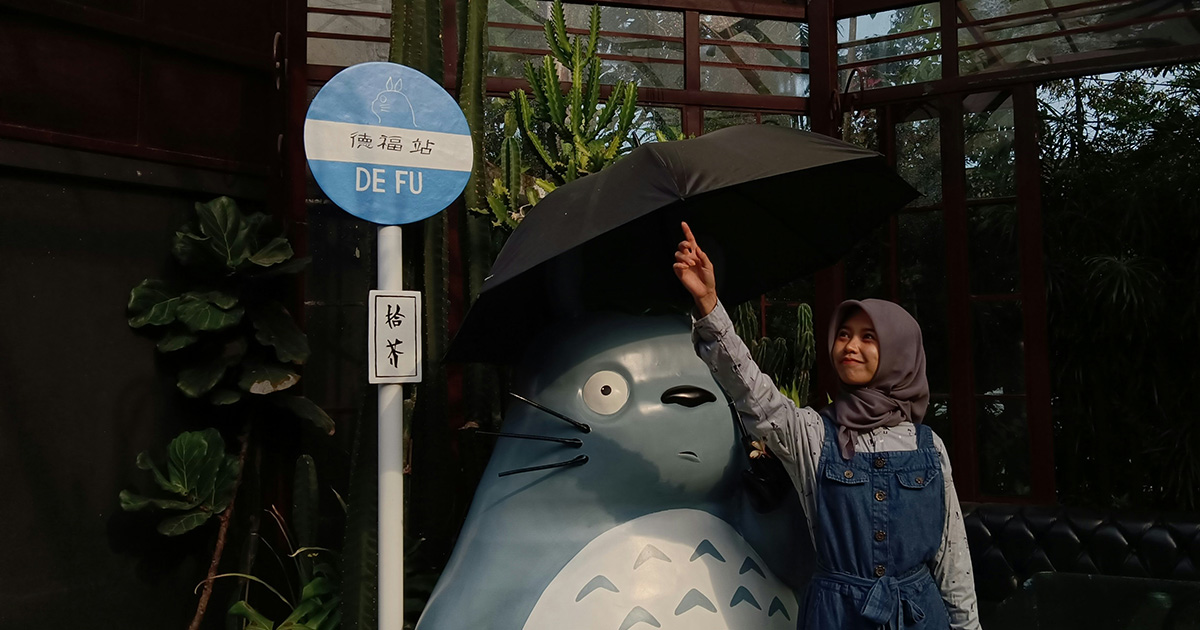
Fantastical movies with spirited, inanimate objects as characters draw us in through the promise of a living, soulful world. The real question is not whether the world a voice; it’s Who is actually speaking. What can we as believers learn from observing anime and Christianity?
While visiting Japan this summer, I was struck by the prevalence of anime-style characters permeating advertisements, television and the culture in general. I’m old enough to have missed the popularity wave of manga/anime that has swept over the West, but I’m also hip (insert jokes about hip being unhip) enough to be aware that it exists.
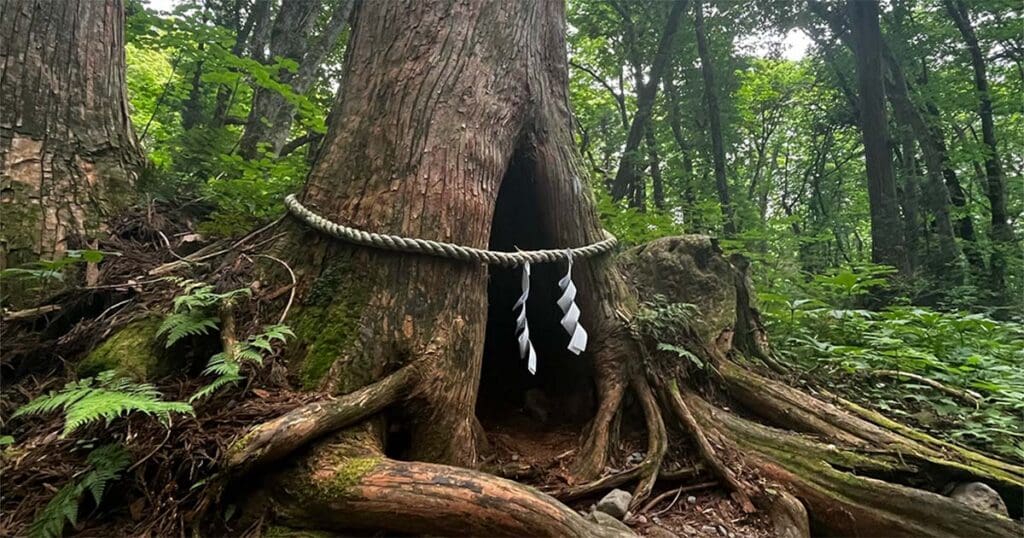
To give some context, Shinto is Japan’s indigenous religious tradition, centered on the kami—sacred spiritual beings or presences associated with nature, places, ancestors and particular objects. Mountains, rivers, forests, trees and other parts of creation can be understood as carrying a sacred presence.
While hiking beautiful mountain trails in central Japan and noticing the prevalence of Shinto artifacts and markers, I began to understand more about why anime rings so true to many ears.
Why do people feel drawn to anime?
Films like My Neighbor Totoro and Spirited Away assign something to the forest and other inanimate objects that biology alone can’t explain. This worldview assumes rivers have memories and bathhouses have gods.
Why do characters like Chihiro (from Spirited Away) or Totoro (from My Neighbor Totoro) feel true, even to people who’ve never heard of Shinto? Why does a bathhouse full of gods, or a forest with a temper, land as more honest than a world of inert matter, even for viewers who’d never call themselves religious?
Anime has a clear claim that is worth taking seriously before you argue or agree with it: the world has a soul.
The real question is not whether the world has something like a voice; it’s Who is actually speaking.
The claim isn’t just that these stories are animated. It’s that creation itself is animated. The instinct to see meaning or spiritual significance in creation isn’t childish, foolish or naive. It’s closer to truth than the disenchanted alternative, a universe of inert matter obeying laws and meaning nothing. The real question is not whether the world has something like a voice; it’s Who is actually speaking.

The world speaks because of its Creator
I’ve enlisted three friends to help us untangle this web: David, Paul and Job. The Psalms get there first and they get there loudly. “The heavens declare the glory of God,” David writes in Psalm 19, “day to day pours out speech.” That’s not a demythologized sky. It’s a world with a voice. This is the same claim that anime (more recently) and Shintoism (for 3,000 years) are making. But notice the verb. The heavens declare God’s glory. They don’t generate their own. So far, animism and the Psalms actually agree: creation isn’t silent. The world speaks because its Creator has given it a voice.
Paul picks up the same thread in Romans 1:20, where he says, “For his invisible attributes, namely, his eternal power and divine nature, have been clearly perceived, ever since the creation of the world, in the things that have been made” (ESV). God’s invisible qualities, he says, have been visible all along in the things that have been made. Creation really does reveal something true about its Maker. But then comes the turn: the danger comes with worshipping images of birds and animals and reptiles instead of the God they were pointing to the whole time.
At first glance, it’s easy to toss animism aside with an eye roll, but it’s not just primitive foolishness. Exchanging the truth about God for a lie by worshipping the creation instead of the Creator often comes from a misdirected true impulse. Kami in the forest, spirits in the bathhouse, gods in the wind – the impulse to sense soul in creation is right. The location is wrong. Glory was never in the tree. God’s glory was declared by the tree.
The world speaks because its Creator has given it a voice.
Which raises the obvious follow-up. If creation isn’t inhabited by spirits, then is it all just dead matter? Our final guest Job answers that, and his answer is stranger than you might expect.
“What is man,” Job asks in chapter 7, “that you make so much of him, and that you set your heart on him, visit him every morning, test him every moment?” He isn’t praising this. He’s exhausted by it. He wants God to look away for five minutes. But even in his complaint, Job is testifying to something animism can’t offer at any price: not a world thinly populated by impersonal spirits, but a God who is relentlessly, personally attentive.
What does the Gospel say about anime and Christianity?
If we’re honest, there’s probably a little more animism in our personal worldview than we’d like to admit. Perhaps it goes something like this: Everything is a little bit alive, governed by a God who is a bit disconnected and probably generally good, but also generally truly unknowable.
The Gospel says the opposite. Creation itself isn’t divine at all. But you are addressed. Watched. Named. You are held in the mind of God every single morning of your life. That’s a bigger claim than “the forest is alive.” It’s “the Maker of the forest has fixed his attention on you, specifically, this morning” — which is either the most invasive thing you’ve ever heard or the best news available, depending entirely on what you think of the One doing the watching.
You don’t have to choose between an animated world and a personal God. You just have to get the address right. The soul that anime keeps reaching for was never in the creature. It was always headed toward you, from the One who made it — and who has been watching you since long before you ever noticed the world was beautiful.
There are an estimated 120 million people in Japan who have never heard the Good News of the Gospel. Each of these people is an image bearer of God, designed by Him to hear truth and worship Him. For decades, global workers with TEAM have been giving their lives to make the Good News of Jesus Christ known in this land and it continues today. To learn more about how you can share the love of God with the people of Japan, reach out to us today.

Subscribe to our email list to receive more global missions stories and resources and follow us on Facebook, Instagram, and LinkedIn.